How to Compare Engagement Ring Prices Across Jewelers on a Diamond Ring Budget
Starting your search for an engagement ring often means figuring out what a fair price looks like. When you have a diamond ring budget in mind, the real work begins: comparing prices across different jewelers without getting lost in marketing or missing hidden costs. The process is more than just scanning price tags. It involves understanding what you are paying for, what each jeweler includes in their quote, and how to make an informed choice that fits your financial plan.
Many buyers assume that the same diamond will cost the same everywhere. In reality, pricing varies widely due to factors like overhead, inventory sourcing, and the jeweler's business model. Knowing how to compare apples to apples is essential. This guide walks through a practical method for comparing rings before purchase, step by step, so you can feel confident in your decision.
Step 1: Understand the components of the price
An engagement ring is not a single item. Its total cost is made up of the diamond (or center stone), the setting, and sometimes additional charges like labor for assembly. When you see a listed price, ask what it includes. Some jewelers show the diamond and setting combined, while others list them separately. For a true comparison, break each quote into three parts: the diamond cost, the setting cost, and any extra fees (sales tax, shipping, or assembly).
Diamond pricing is driven by the 4Cs: carat weight, cut, color, and clarity. Two diamonds with the same 4Cs can still differ in price due to fluorescence, symmetry, or polish grades. A jeweler who provides a full grading report from a reputable lab makes it easier to compare. Without a report, you are guessing at quality, which makes price comparison unreliable.
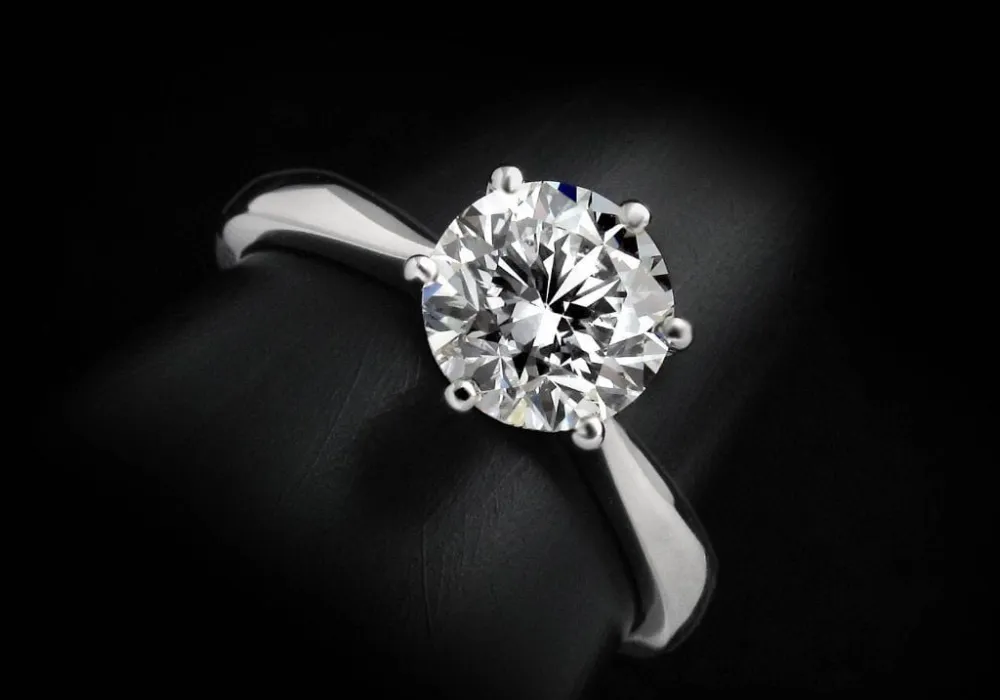
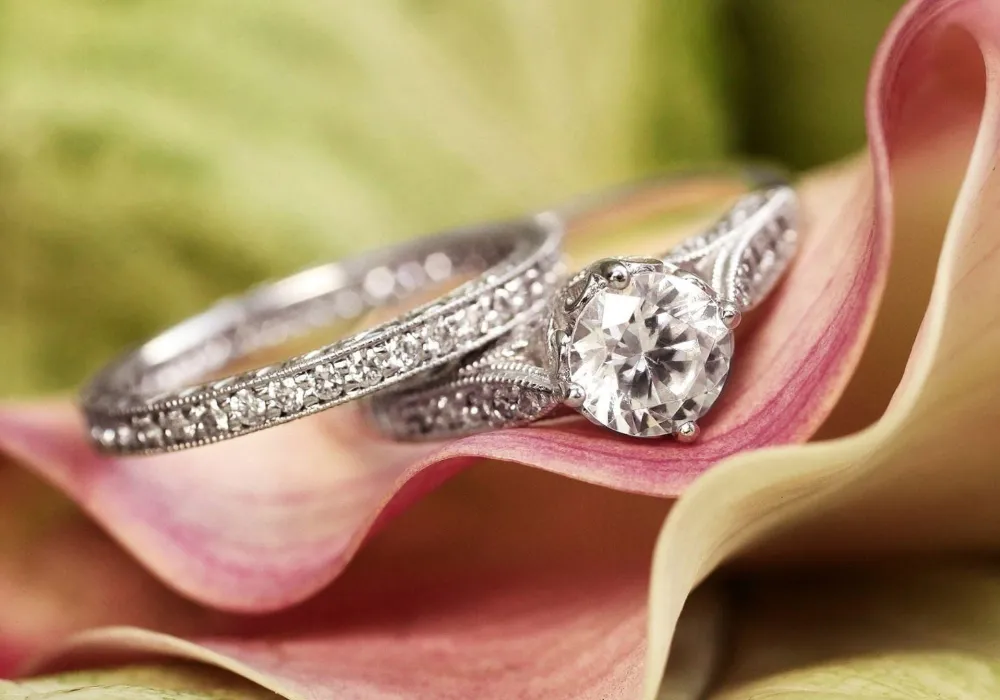
Setting cost depends on metal type, design complexity, and brand. A simple solitaire in platinum will cost differently from a halo setting in rose gold with side stones. When comparing across jewelers, note the exact specifications of the setting. A lower setting price might mean less durable construction or a lighter weight metal.
Step 2: Gather quotes from multiple jewelers
Contact at least three jewelers with the same diamond specifications and setting description. Large chain stores, independent local shops, and online retailers each have different pricing structures. For this article, the focus is on Zales as one example of a national jeweler, but the approach applies to any retailer. When requesting a quote, be specific: provide the diamond's carat weight, cut grade, color grade, clarity grade, and any certificate number. For the setting, describe the metal, design, and any accent stones.
Ask for a written quote that itemizes the diamond cost, setting cost, and any additional charges. Some jewelers may offer a "mounted price" that bundles both. While convenient, this makes it harder to compare against unbundled quotes. If a quote is bundled, ask for the breakdown. A jeweler who refuses may be hiding markup or low-quality components.
Step 3: Compare the diamond quality reports
A price is only meaningful if you know what you are buying. Diamonds graded by the same lab (such as GIA or AGS) can be compared more reliably. If one jeweler offers a GIA-graded diamond and another offers a diamond with an in-house grading report, the prices are not directly comparable. In-house reports may grade more generously, making the diamond appear better than it really is.
Look at the proportions and cut quality beyond the grade. A diamond with excellent cut will sparkle more, but it may also cost more. If your budget is tight, consider a diamond with a slightly lower color or clarity grade but a very good or excellent cut. The visual difference is often small, and the savings can be significant. When comparing rings before purchase, note these trade-offs. A diamond that costs less might still be a good value if its cut is excellent and its inclusions are eye-clean.
Step 4: Factor in the setting and assembly fees
Some jewelers include the setting cost in the total price, while others charge separately for mounting the diamond. If you buy a diamond from one jeweler and have it set by another, there may be a setting fee. Even when buying both from the same store, ask if assembly is included. Some stores add a labor charge if the setting requires special work, like prong adjustments for a non-standard diamond size.
Metal weight also matters. Two settings that look similar may use different amounts of gold or platinum. A heavier setting costs more in raw materials. Ask for the metal weight in grams and the purity (10k, 14k, 18k, or platinum). Compare settings of the same metal type and weight to get a fair price comparison.
Step 5: Look beyond the purchase price
The initial cost is only part of the picture. Resale value, warranty coverage, return period, and financing terms all affect the true cost of the ring. A ring that seems cheap today might be a poor investment if the jeweler offers no warranty or has a very short return period. Conversely, a slightly higher price from a jeweler with a generous trade-in policy or lifetime care could be better value over time.
Warranty coverage is particularly important for engagement rings. Many jewelers offer a limited warranty that covers manufacturing defects but not damage from everyday wear. Some offer a lifetime care plan that includes cleaning, inspection, and prong tightening. Ask what is covered and for how long. If a warranty costs extra, include that in your price comparison.
Return period is another factor. A longer return window gives you time to have the ring appraised independently and to see how it looks in different lighting. Some online retailers offer 30-day returns, while others give 100 days. A short return period might mean lower overhead, but it also means less flexibility for you.
Financing terms can make a ring more affordable in the short term, but interest charges add to the total cost. If you plan to finance, compare the APR and total interest over the full term. A store that offers "no interest for 12 months" may still charge deferred interest if the balance is not paid in full. Read the fine print.
Step 6: Compare total cost of ownership
To make a fair comparison, calculate the total cost of ownership for each ring. Start with the purchase price (diamond + setting + any assembly or shipping). Add any sales tax that applies in your location. Add the cost of an extended warranty if you want one. Add any financing charges if you plan to use store credit. Then subtract any trade-in or upgrade value the jeweler offers. Some jewelers allow you to trade in the diamond for a larger one later, often at full purchase price credit. This can reduce the effective cost of the ring if you upgrade in the future.
For example, if Jeweler A sells a ring for $3,000 with a 30-day return, no warranty, and no trade-in, while Jeweler B sells the same ring for $3,200 with a 100-day return, a lifetime warranty, and a full trade-in policy, the second option may be more valuable even though it costs more upfront. The total cost of ownership after five years could be lower with Jeweler B because you have coverage and a path to upgrade without losing your investment.
Step 7: Use the comparison to negotiate or choose
Once you have quotes and total cost estimates, you can negotiate or make a decision. If one jeweler offers a better price for the same diamond and setting, ask the other jeweler if they can match it. Many will, especially if you show a written quote. If the prices are close, consider the non-price factors: warranty, return period, store reputation, and customer service.
Remember that the cheapest option is not always the best value. A very low price might indicate a diamond with hidden flaws, a setting made with less metal, or a jeweler who cuts corners on grading. Conversely, a high price does not guarantee quality. Some jewelers rely on brand markup or location overhead. The goal is to find the best combination of price, quality, and peace of mind within your diamond ring budget.
By following these steps and comparing rings before purchase, you can navigate the market with confidence. The process takes time, but it pays off in a ring that you love and that fits your financial plan.